The Case for Craft: A Buyer's Guide to Appalachian-Made Goods Worth Seeking Out
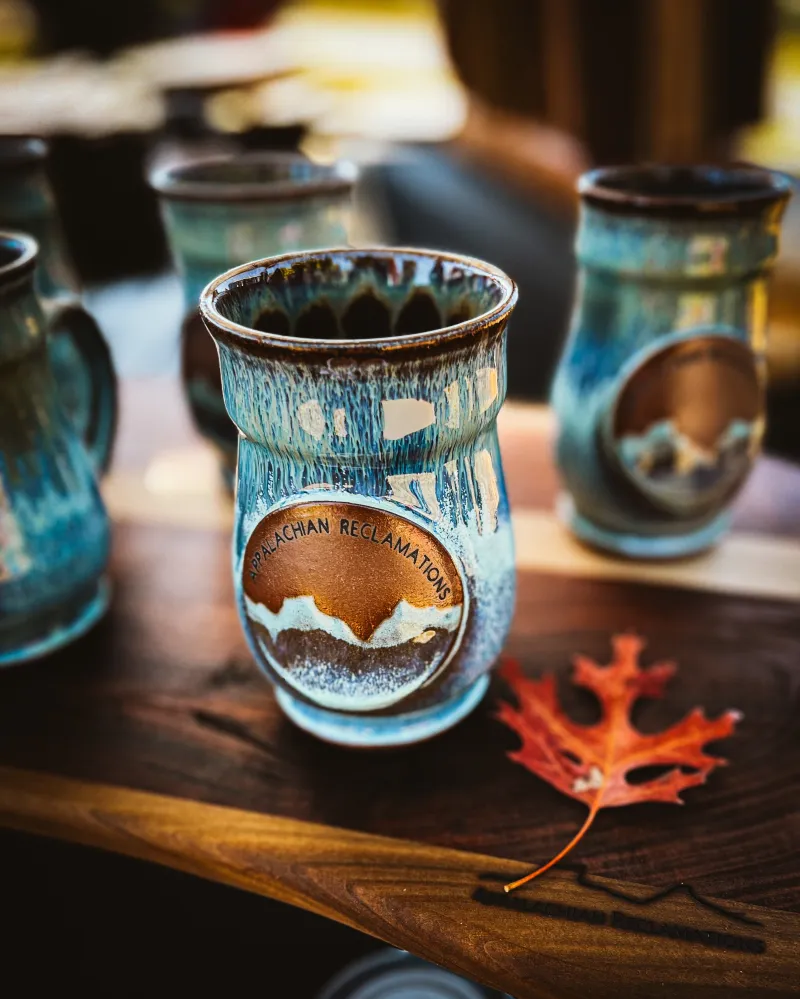
Photo: Appalachian artisan craftsman workshop handmade pottery forge mountain, via appalachianreclamations.myshopify.com
Mass production is efficient. It is also, by design, indifferent. The object that arrives in uniform packaging, made somewhere anonymous, carries no particular story and solves no specific problem beyond the generic one it was engineered to address. For a growing number of American consumers, that indifference has become the point of departure — the reason they are looking elsewhere.
Elsewhere, in this case, often means the Appalachian corridor: the long spine of mountain communities stretching from southwestern New York through Pennsylvania, West Virginia, Virginia, and into western North Carolina. These are places with deep traditions of material craft — woodworking, blacksmithing, textile production, food preservation — that were never fully absorbed into the industrial economy and, as a result, never fully abandoned their handmade character.
This guide is for buyers who understand that the provenance of an object matters, that quality has a geography, and that supporting regional makers is both a sound purchasing decision and a meaningful act of economic participation.
Understanding What You Are Actually Buying
Before exploring specific categories, it is worth clarifying what distinguishes genuinely artisanal Appalachian goods from products that merely use regional imagery as a marketing device.
Authentic craft goods are typically produced in limited quantities by individual makers or small family operations. The production process involves significant hand labor, and the maker possesses specialized knowledge — often passed down across generations — that cannot be easily replicated by machinery. The materials used are frequently sourced locally or regionally, which means the product's character is directly tied to the specific landscape that produced it.
This is not sentimentality. It is a functional quality distinction. A hand-forged iron skillet from a Shenandoah Valley blacksmith behaves differently than a factory-cast equivalent. Small-batch sourwood honey from the Blue Ridge Mountains has a flavor profile that industrial honey cannot approximate. These are measurable differences, and they justify a corresponding difference in price.
Categories Worth Your Attention
Hand-Forged Metalwork
Blacksmithing has experienced a genuine renaissance across Appalachia, driven partly by craft revival movements and partly by a practical market for high-quality tools, cookware, and hardware that outlasts cheaper alternatives. Western North Carolina and the Virginia highlands are particularly active centers of this trade.
When evaluating hand-forged goods, look for evidence of the maker's process: hammer marks are a sign of authenticity, not imperfection. Ask about the steel source — domestic steel, particularly from regional suppliers, is preferable both for quality and supply-chain transparency. Reputable makers will be forthcoming about their materials and methods.
Small-Batch Preserves and Pantry Goods
Appalachian foodways have produced a remarkable preserving tradition, born of necessity and refined over generations. Apple butter, chow-chow relish, pawpaw jam, ramp-based condiments, and wild berry preserves represent a distinctly regional pantry vocabulary that is increasingly sought after by chefs and home cooks alike.
The best small-batch producers use locally grown fruit and vegetables, often sourced from the same farms that have supplied their families for decades. Pectin sources, sugar ratios, and processing methods vary meaningfully between producers and directly affect flavor and texture. When possible, purchase directly from the maker or through a platform with verified sourcing relationships.
Hand-Thrown Pottery and Functional Ceramics
The pottery tradition of western North Carolina — centered in the Seagrove area and the broader Catawba Valley — is among the oldest and most technically sophisticated in the United States. Functional stoneware, salt-glazed jugs, and wood-fired serving pieces from this region are both beautiful and durable.
For buyers new to this category, visiting a maker's studio or workshop (virtually or in person) provides invaluable context. Understanding a potter's firing method — wood, gas, electric, or salt — helps explain the surface qualities of the finished piece. Many Appalachian potters now maintain online shops or participate in curated regional marketplaces, making their work accessible to buyers well outside the Southeast.
Appalachian Textiles
Handwoven coverlets, rag rugs, and naturally dyed fiber goods represent another area of genuine regional distinction. Organizations such as the Southern Highland Craft Guild have worked for decades to document and support textile makers across the mountains, and their member directories are a reliable starting point for sourcing.
Practical Sourcing Strategies
The historical challenge with Appalachian craft goods was discovery. A maker producing exceptional work in a small town in McDowell County, West Virginia had limited means of reaching buyers in Boston or Philadelphia. That constraint has diminished considerably.
Direct-to-consumer platforms have proven particularly effective at bridging this gap. Unlike general-purpose marketplaces, regionally focused trading platforms — including those that specialize in East Coast goods — typically apply meaningful vetting criteria, which reduces the risk of purchasing mass-produced items misrepresented as handmade. At East Coast Trading Co., our sourcing process involves direct relationships with producers, which allows us to verify the provenance and production methods of every item we carry.
For buyers conducting independent sourcing, the following practices are advisable:
- Request maker documentation. Legitimate artisans can describe their process in specific terms. Vague answers about "traditional methods" without supporting detail warrant skepticism.
- Examine production scale. A maker producing thousands of identical units per month is, by definition, not operating at a craft scale. Ask about batch sizes.
- Prioritize direct relationships. Purchasing directly from a maker, or through a platform with verified direct relationships, ensures that the economic benefit flows to the producer rather than being absorbed by intermediary layers.
- Attend regional craft fairs when possible. Events such as the Craft Fair of the Southern Highlands in Asheville, North Carolina, and the Pennsylvania Guild of Craftsmen's annual shows remain among the most reliable venues for discovering exceptional makers.
Why This Matters Beyond the Purchase
The economic case for supporting Appalachian craft makers is straightforward: dollars spent on regional goods circulate within regional economies, supporting not just the individual maker but the broader web of suppliers, educators, and community institutions that sustain craft traditions over time.
But the cultural case is equally compelling. The knowledge embedded in a hand-forged tool or a traditionally woven textile is not easily reconstructed once it is lost. When makers retire without successors, when workshops close because the economics no longer work, something irreplaceable disappears. Purchasing these goods is a form of investment in continuity.
Smart buyers have always understood that the best products carry more than utility. They carry history, geography, and the specific intelligence of people who have devoted their working lives to making something well. In Appalachia, that intelligence runs deep — and it is more accessible today than it has ever been.