Harvest Rhythms: How East Coast Producers Turn Seasonal Cycles Into Supply Chain Strengths
In an era defined by the promise of year-round availability and on-demand fulfillment, it might seem counterintuitive to celebrate a producer who can only deliver during certain months of the year. Yet across the East Coast, a growing number of manufacturers and growers are doing precisely that—building their business models around the rhythms of regional harvests, weather windows, and time-honored production traditions. The result is not a limitation but a distinct structural advantage, one that discerning B2B buyers are increasingly positioning themselves to capture.
The Calendar as a Competitive Instrument
The East Coast's geographic diversity—stretching from the rocky shores of Maine to the tidal lowlands of the Carolinas—produces an extraordinary range of seasonal production cycles. Lobster harvesters in Penobscot Bay operate within a biological calendar that dictates peak soft-shell availability between late spring and midsummer. Textile mills in the Carolinas historically timed their heaviest production runs to coincide with cotton harvest schedules, a tradition that continues to shape delivery windows even as fiber sourcing has evolved. Appalachian orchardists align their cider and brandy output with the autumn harvest, while Chesapeake Bay watermen follow the rhythmic migration of blue crabs with a precision no logistics algorithm can fully replicate.
For buyers accustomed to the false certainty of globalized supply chains, these cycles may initially appear inconvenient. The more experienced procurement professionals, however, recognize them as a form of built-in market intelligence.
"When a product has a genuine season, you know exactly when to commit your purchase orders and when pricing is most favorable," says a wholesale beverage buyer who sources craft spirits from several mid-Atlantic distilleries. "There's no guesswork. The harvest defines the window, and the window defines the deal."
Seafood: Nature's Most Reliable Production Schedule
Perhaps no East Coast industry illustrates the strategic value of seasonality more vividly than commercial seafood. Maine's lobster industry—the largest in the nation—operates on a cycle that experienced buyers have mapped with considerable precision. The spring molt drives a surge in soft-shell product, prized for its delicate texture and lower price point relative to hard-shell alternatives. By late summer, hard-shell lobster abundance peaks, and processors work at full capacity to supply both fresh and value-added markets.
Fishermen and processors along the coast have long understood that buyers who commit to volume agreements ahead of peak season secure both preferential pricing and guaranteed allocation. Those who wait until peak demand has already been established often find themselves competing for diminished supply at elevated prices.
The same logic applies to the mid-Atlantic blue crab fishery. Maryland and Virginia processors have refined their production calendars over generations, and the buyers who align their procurement cycles accordingly—placing forward commitments in early spring—consistently outperform those who approach the market reactively.
Agricultural Producers: Turning Harvest Windows Into Pricing Leverage
Beyond seafood, East Coast agricultural producers have developed sophisticated strategies for converting seasonal availability into commercial advantage. Specialty grain growers in Virginia and Pennsylvania time their contracts to coincide with post-harvest periods when storage costs are lowest and quality is highest. Buyers who understand these windows can negotiate meaningfully better terms than those who enter the market mid-cycle.
A regional flour mill operator in the Shenandoah Valley describes it plainly: "We price our contracts based on when the grain comes off the field. Buyers who come to us in October, right after harvest, get our best numbers. Buyers who call in February are paying carrying costs and competing with everyone else who waited."
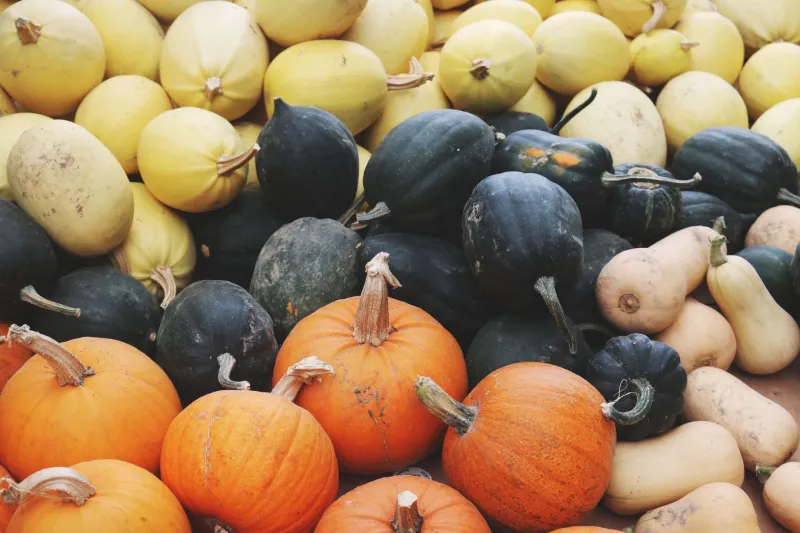
This dynamic is equally visible in the specialty produce sector. Growers of heirloom tomatoes, heritage corn varieties, and regionally specific crops along the Eastern Seaboard have built waiting lists among wholesale buyers who recognize that the harvest window is finite and the product is genuinely differentiated from commodity alternatives.
Textiles and Fiber: Tradition as a Timing Mechanism
The East Coast's textile heritage—concentrated in the Carolinas, Virginia, and portions of New England—carries its own seasonal logic. Wool processors in Vermont and upstate New York align their heaviest production with post-shearing periods in late spring, when raw fiber is most abundant and freshest. Buyers for high-end apparel and home goods brands have learned to place their orders during these windows, securing both favorable pricing and the assurance of first-clip quality.
Several Carolina mills that have survived the consolidation of American textile manufacturing cite their ability to align production with regional fiber availability as a key differentiator. "We're not competing on volume with overseas producers," explains one mill manager in Alamance County. "We're competing on timing, consistency, and the fact that our buyers know exactly what they're getting and when they're getting it. That predictability has real value."
Spirits and Fermented Goods: The Harvest-to-Barrel Calendar
The East Coast craft spirits industry has perhaps been the most deliberate in marketing seasonality as a feature. Distilleries in Virginia, New York, and New England have built brand identities around harvest-to-barrel timelines that are as much a selling point as the final product itself. Apple brandy producers in the Hudson Valley, for instance, time their distillation runs to the weeks immediately following the autumn apple harvest, a practice that results in a product with measurable differences in flavor profile compared to year-round production using stored juice.
For wholesale buyers—particularly those supplying premium retail accounts or on-premise venues—these production cycles create predictable restocking calendars that actually simplify procurement planning. "Once you've worked with a seasonal producer for two or three cycles, you know the rhythm," notes a regional spirits distributor based in Philadelphia. "You build your purchase orders around their calendar, not the other way around. It becomes a very clean relationship."
What Savvy B2B Buyers Should Know
The strategic implications for procurement professionals are substantial. Buyers who approach East Coast regional producers with an understanding of their seasonal cycles—and a willingness to commit early—consistently report three distinct advantages: preferential pricing secured before peak demand drives costs upward; guaranteed allocation in categories where supply is genuinely constrained by natural factors; and stronger supplier relationships built on the mutual respect that comes from a buyer who understands a producer's operational reality.
Those advantages compound over time. Producers who trust that a buyer understands and respects their production calendar are more likely to offer first right of refusal on limited-run batches, to provide advance notice of yield variations, and to extend favorable terms during leaner periods.
Seasonality, in this context, is not a supply chain vulnerability. It is a shared language between producers who know their land and buyers who know their market.
The East Coast Difference
What distinguishes East Coast seasonal producers from their counterparts elsewhere is the density and diversity of the cycles themselves. Within a single region, a sophisticated buyer can source spring seafood, summer agricultural goods, autumn spirits and ciders, and winter-processed textiles—building a procurement calendar that is active year-round while still capturing the pricing and quality advantages of each individual season.
At East Coast Trading Co., we work directly with producers across these categories to ensure that buyers have access to seasonal availability windows, advance commitment opportunities, and the market intelligence needed to time their purchases effectively. The harvest is always coming. The question is whether your procurement strategy is ready to meet it.