The Lean Advantage: How East Coast Wholesalers Are Winning by Stocking Less
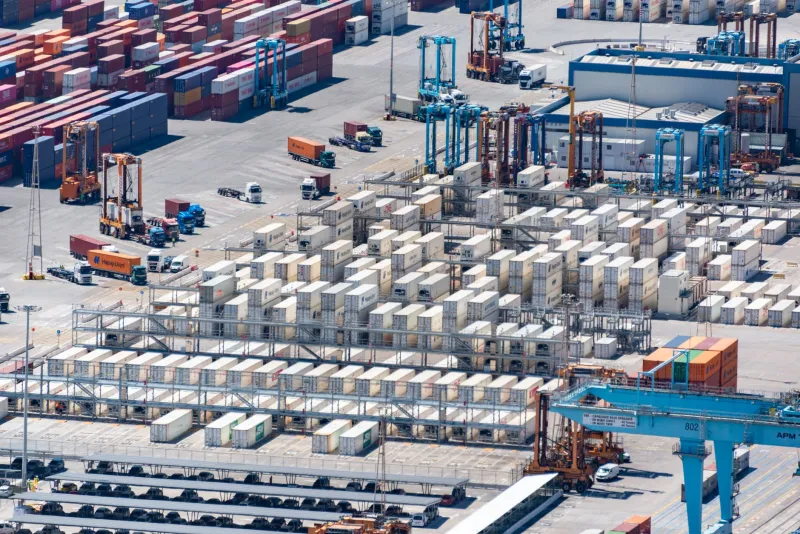
Conventional wholesale logic has long held that size is safety. The more product a distributor keeps on hand, the better positioned it is to fulfill orders quickly, absorb demand spikes, and negotiate volume discounts from suppliers. For decades, this bulk-buying orthodoxy shaped warehouse strategy from Portland, Maine, to Miami, Florida.
But something is shifting along the Eastern Seaboard. A growing cohort of regional wholesalers is deliberately inverting that logic — carrying leaner inventories, turning stock faster, and, perhaps most surprisingly, outcompeting larger rivals in the process. The strategy is counterintuitive. The results are not.
The Problem With Holding More
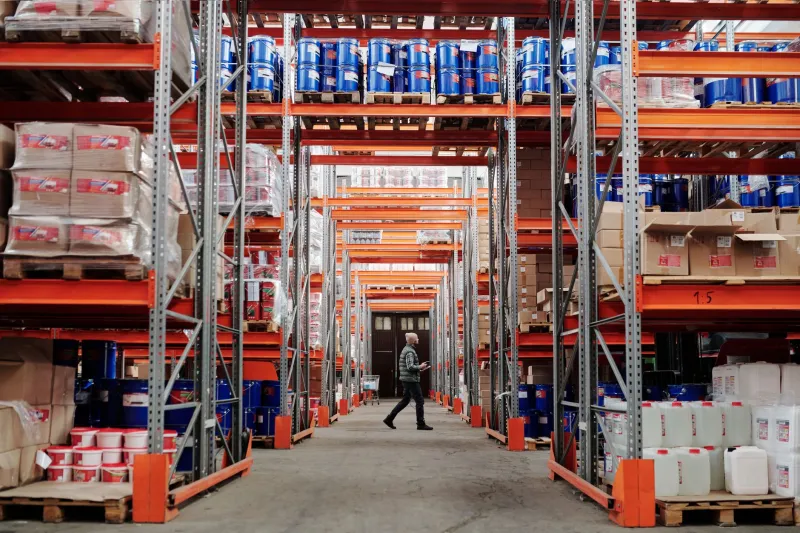
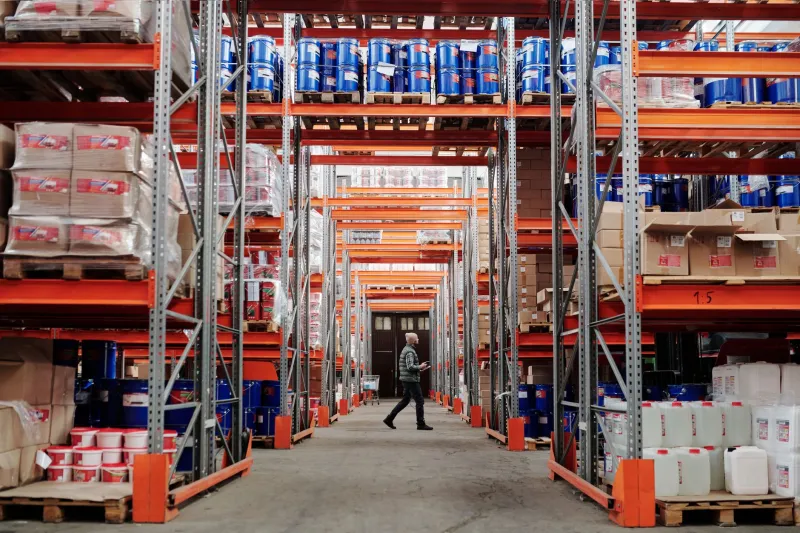
To understand why East Coast wholesalers are embracing restraint, it helps to understand what excess inventory actually costs. Beyond the obvious warehousing expenses — square footage, climate control, labor — overstocking carries a series of compounding liabilities that rarely appear on a simple cost-per-unit calculation.
Capital tied up in slow-moving goods cannot be redeployed. Goods that sit too long are subject to spoilage, obsolescence, or shifting consumer preferences. And when a product fails to move at projected velocity, the markdown cycle begins — a process that erodes margin, distorts pricing signals to suppliers, and ultimately trains retail buyers to wait for discounts rather than purchasing at full value.
For national distributors operating on thin margins across broad product categories, these risks are often absorbed as a cost of doing business. For regional wholesalers with tighter capital structures and more focused product lines, they can be existential.
Geography as Infrastructure
What makes the lean-inventory model viable for East Coast distributors — and difficult to replicate elsewhere — is the unusual density of regional suppliers within a compact geographic corridor. From the food producers of the Chesapeake Bay region to the specialty manufacturers clustered in the Connecticut River Valley to the textile and craft operations throughout the Carolinas, the Eastern Seaboard functions as an integrated production ecosystem.
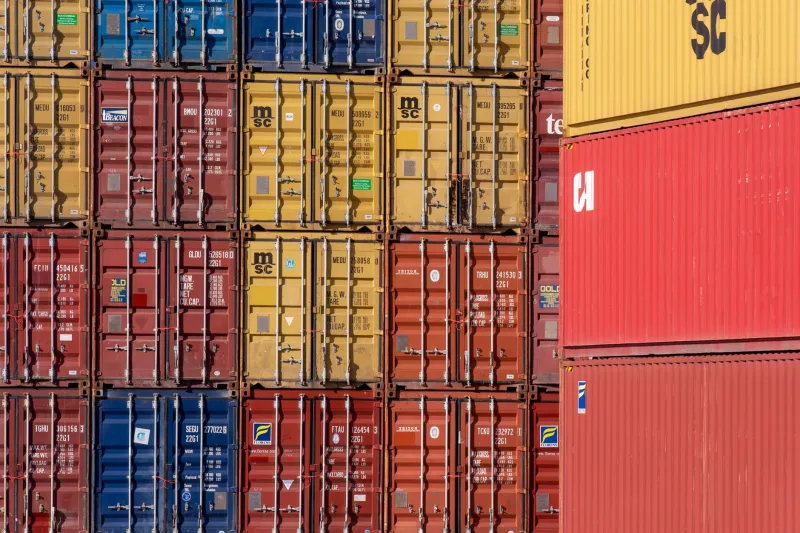
This proximity fundamentally changes the economics of just-in-time ordering. When a manufacturer is two hours away rather than two weeks by container ship, a wholesale buyer can afford to place smaller, more frequent orders without sacrificing reliability. Replenishment cycles that would be logistically impractical for a distributor sourcing from overseas become routine when the supplier is a short drive up the interstate.
The result is a model in which inventory turns faster not because demand is artificially accelerated, but because the supply chain is genuinely more responsive. Stock moves through the warehouse rather than accumulating in it.
Supplier Relationships That Function Like Partnerships
High-velocity inventory rotation is not simply a purchasing strategy — it is a relationship strategy. The East Coast wholesalers executing this model most effectively have invested heavily in cultivating supplier relationships that go well beyond transactional price negotiations.
These partnerships are characterized by transparency and mutual investment. Wholesalers share sell-through data with their suppliers on a regular basis, allowing producers to anticipate demand and stage production accordingly. Suppliers, in turn, provide their wholesale partners with priority access to new product runs and advance notice of any capacity constraints. The arrangement functions less like a vendor-customer dynamic and more like an integrated supply network.
This kind of collaborative intelligence is difficult to build at scale. A national distributor managing hundreds of supplier relationships across multiple regions rarely achieves the depth of communication that a focused regional operator can maintain with a curated network of local producers. That asymmetry is precisely where East Coast wholesalers find their edge.
Capital Efficiency as Competitive Strategy
The financial implications of lean inventory extend well beyond warehouse costs. When working capital is not locked into slow-moving stock, it becomes available for investment in areas that drive long-term competitiveness: logistics infrastructure, sales force development, technology platforms, and category expansion.
Several East Coast distributors have used the capital freed by leaner inventory practices to fund same-day and next-day delivery capabilities within their regional footprints — a service offering that has proven particularly compelling to independent retailers and foodservice operators who cannot afford to maintain large back-of-house inventories themselves. In this way, the wholesaler's operational discipline becomes a direct selling proposition for its customers.
Markdown reduction is another measurable benefit. Distributors who turn inventory quickly rarely find themselves holding goods that have aged past their optimal selling window. For perishable and semi-perishable categories — specialty foods, seasonal goods, trend-sensitive consumer products — this discipline preserves margin in ways that bulk-buying competitors simply cannot match.
The Responsiveness Dividend
Perhaps the most strategically significant advantage of high-velocity inventory rotation is the ability to respond rapidly to market signals. Consumer preferences shift. Retail trends emerge and fade. Regulatory changes affect product formulations. In each of these scenarios, a distributor carrying thirty days of inventory is far better positioned to adapt than one holding ninety.
East Coast wholesalers have demonstrated this responsiveness repeatedly in recent years. When demand patterns shifted during supply chain disruptions, regionally sourced distributors were able to pivot their purchasing toward available local production while national competitors waited months for overseas orders to clear. When a regional food trend gained traction faster than anticipated, lean-inventory operators could add new SKUs and test new suppliers without first clearing out legacy stock.
This agility is not accidental. It is the direct product of a deliberate operational philosophy — one that treats inventory not as a buffer against uncertainty, but as a liability to be managed with precision.
What This Means for Buyers
For retail buyers and procurement professionals evaluating wholesale partners, the lean-inventory model carries meaningful implications. A distributor who turns stock frequently is, almost by definition, selling fresher product. One who maintains tight supplier relationships is better positioned to resolve quality issues quickly and source alternatives when supply is constrained.
The presence of a high-velocity inventory strategy also signals something about the financial health of a wholesale operation. Distributors who manage working capital efficiently tend to be more stable partners over time — less vulnerable to the cash flow disruptions that can accompany a sudden demand correction or a supplier price increase.
At East Coast Trading Co., we have observed this dynamic across the regional supplier relationships we facilitate. The wholesalers who perform most consistently for their retail and commercial customers are rarely the ones with the largest warehouses. They are the ones who have built the most intelligent, responsive, and capital-efficient supply networks — and who have recognized that in regional distribution, proximity and discipline are often worth more than volume.
The lean advantage, it turns out, is not a compromise. It is a strategy.